第 14434 号行政令:美国政府把 AI 改名叫「超级智能」
2026 年 9 月 29 日,特朗普总统签署第 14434 号行政令,标题是《开启超级智能时代》。它的核心动作不是监管,而是改词:指示行政部门在官方通信、公开传播、网站、报告、政策文件及其他非法律性文件中,用「Super Intelligence / SI」替代「Artificial Intelligence / AI」。法律没有变,但联邦政府的措辞变了。这件事对工程师的意义,不在于「AI 该叫什么」的语义争论,而在于它启动了一个 60 天的定义时钟——一份可能改写「AI」法律定义的新联邦定义即将被提出。本文逐条讲清楚。
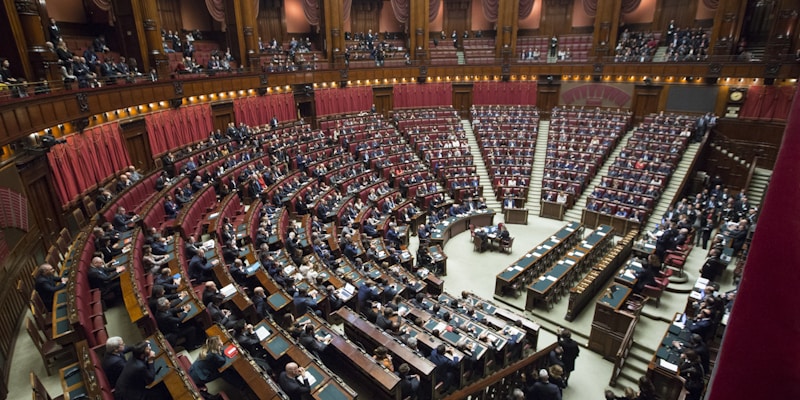
措辞的改变发生在行政分支,而不是国会
这份行政令到底说了什么
据白宫发布的行政令原文,第 1 条陈述政策:行政分支应在法律允许的最大范围内,用「Super Intelligence」和「SI」替代「Artificial Intelligence」和「AI」,并且「不承认」(will not acknowledge)在适用场合使用后两个术语。第 2 条是实施:行政部门应在官方通信、公开传播、网站、报告、政策文件及其他非法律性文件中采用新术语。第 3 条是定义:在该行政令适用范围内,SI 与 15 U.S.C. § 9401(3) 中定义的「人工智能」含义相同——也就是说,至少在现阶段,「超级智能」并不是一个新的技术概念,而只是旧概念的新名字。
# The order, reduced to facts. Taken directly from the White House
# presidential action and fact sheet, both dated September 29, 2026.

EO_14434 = {
    "title": "Inaugurating the Era of Super Intelligence",
    "number": 14434,
    "signed": "2026-09-29",
    "directs": "executive departments and agencies",
    "to_use": "'Super Intelligence' and 'SI'",
    "in_place_of": "'Artificial Intelligence' and 'AI'",
    "where": "official correspondence, public communications,
              websites, reports, policy documents, and other
              non-statutory documents",
    "definition_deadline_days": 60,
    "submitter": "Assistant to the President for Science and Technology",
}
改变了什么,没改变什么
关键在于边界。据行政令第 2(b) 条,该命令不要求修改此前发布的法规、总统行动、合同、拨款或其他历史文件。Freshfields 与 Wiley 的分析都强调,现有成文法、法规、合同、拨款等内容保持不变,除非通过未来的行政、机构行动或国会立法修改。换句话说:这是一次面向「沟通表达」的改名,而不是一次法律变更。对你手上的合规映射、合同条款和法律引用而言,目前没有任何东西因为这份命令而过期——但如果你的产品文案或对外沟通面向联邦机构,术语口径确实需要跟着调整。
# What changes, and what does not. The order is explicit that the
# rename is a communications policy, not a change in law.

CHANGES = {
    "changed": [
        "executive-branch communications and non-statutory documents",
        "the vocabulary agencies use going forward",
    ],
    "unchanged": [
        "existing regulations",
        "Presidential actions",
        "contracts and grants",
        "historical documents",
        "the statutory definition of AI in 15 U.S.C. 9401(3)",
    ],
}

# Per the order, 'SI' means exactly what 'AI' meant in 15 U.S.C. 9401(3)
# until superseded by later action or an Act of Congress.
现行法规、合同与拨款不会因改名而改变
真正的战场:60 天的定义时钟
行政令最有分量的部分在第 3(b) 条:命令签署后 60 天内(即 2026 年 11 月 28 日前),总统科技助理(APST)须向总统提交拟议立法语言,以确立「Super Intelligence」和「SI」的联邦定义。这份提案必须包含三件事:一,评估新定义应当在多大程度上修改、扩展或取代现行的成文法 AI 定义;二,列出对现有成文法中「artificial intelligence」和「AI」引用的相应修正;三,就是否需要额外的总统或行政行动提出建议。Freshfields 指出,提案须评估新定义是否应「修改、扩展或取代」现有定义——这才是真正值得盯住的地方:今天是一个改名,明天可能是一次法律定义的重写。
# The 60-day clock is the part to watch. By November 28, 2026 the
# APST must submit proposed legislative language for a federal
# definition of SI. The proposal must include three things.

DELIVERABLE = {
    "due": "2026-11-28",
    "must_include": [
        "an assessment of whether the SI definition should modify,
         expand upon, or supersede the existing statutory AI definition",
        "any conforming amendments to existing statutory references to
         'artificial intelligence' and 'AI'",
        "recommendations for additional Presidential or executive action",
    ],
}

# A rename today; a possible rewrite of the legal definition tomorrow.
为什么工程师要在意「措辞」
因为术语会一层层落到工程上。对外,如果你面向政府客户,采购文件、RFP 和合规问卷的用词可能随机构行动而改变;对内,你的文档、产品文案、演示和销售物料里对「AI」的表述,可能需要在特定场景下切换成「SI」。但这里有个陷阱:法律术语(terms of art)绝不能盲目替换。像「15 U.S.C. § 9401(3)」「National AI Initiative Act」这类法定引用,以及任何被引用的法规原文、既有合同或拨款语言,都必须保持原样。稳妥的做法是把这次改名当成一次「搜索 + 人工复核」任务,而不是一次全局查找替换。
# If you maintain docs or product copy that references federal AI
# terminology, treat the rename as a search-and-review task, not a
# blind find-and-replace. Legal terms of art must not be rewritten.

PROTECTED_TERMS = [
    "15 U.S.C. 9401(3)",
    "National AI Initiative Act",
    "any quoted statutory text",
    "existing contract, grant or regulatory language",
]

def relabel(text, protect=PROTECTED_TERMS):
    # Only relabel non-statutory, non-quoted prose.
    if any(term in text for term in protect):
        return text            # leave legal terms of art untouched
    return text.replace("AI", "SI").replace("Artificial Intelligence", "Super Intelligence")

# Rule of thumb: rename your marketing, not your legal citations.
真正的战场是 60 天内提交的新联邦定义
团队应该怎么响应
给一个务实的动作清单。第一,把面向联邦机构的对外材料做一次术语梳理,区分「非法律性表述」与「法定引用」,前者可改、后者不动。第二,建立一个轻量的政策追踪项,盯住三件事:APST 的拟议立法语言、国会的任何定义修正、以及机构采购指南是否开始采用 SI。第三,在双语或多语言材料里,确保「Super Intelligence」的译法一致,避免读者误以为这是一个全新的技术类别。第四,别急着在自己的技术文档里改词——除非对方机构已经切换口径,否则保持「AI」并注明「即 EO 14434 所称 SI」更不容易出错。
# A lightweight tracker for teams that follow AI policy, so the
# vocabulary change never silently breaks a compliance mapping.

POLICY_WATCH = {
    "eo_14434_signed": "2026-09-29",
    "si_definition_due": "2026-11-28",
    "still_in_force": "15 U.S.C. 9401(3) AI definition",
    "watch_for": [
        "APST proposed legislative language",
        "any Act of Congress amending the definition",
        "agency guidance adopting SI in procurement",
    ],
}

def compliance_label(agency_uses_si):
    return "SI" if agency_uses_si else "AI"   # match the counterparty
更大的图景
把这件事放进 2026 年的政策节奏里看:一边是 NIST 的 AI Agent 标准倡议仍在推进、面向 Agent 的补充件尚未落定,另一边是行政分支用一份行政令把「AI」这个词本身重命名。两者合起来指向一个信号——围绕 AI 的治理正在从「技术标准」扩散到「语言与法律定义」的层面。对开发者而言,最实际的应对是不被术语牵着走:把注意力放在真正的工程约束(数据、凭据、评估、审计)上,同时对政策措辞保持一份轻量但持续的敏感,因为当定义真的被重写时,合同、合规与采购的用词会最先感受到震动。
📌 常见问题 FAQ
第 14434 号行政令说了什么?
据白宫 2026 年 9 月 29 日发布的行政令原文,它指示行政部门在法律允许的最大范围内,用「Super Intelligence」和「SI」替代「Artificial Intelligence」和「AI」,适用于官方通信、公开传播、网站、报告、政策文件及其他非法律性文件。
这会改变法律吗?
不会。据行政令第 2(b) 条及 Freshfields、Wiley 的分析,现有法规、总统行动、合同、拨款和历史文件保持不变,现有成文法的 AI 定义(15 U.S.C. § 9401(3))仍然有效,除非未来由行政行动或国会立法修改。
60 天的期限是什么?
据行政令第 3(b) 条,签署后 60 天内(即 2026 年 11 月 28 日前),总统科技助理(APST)须提交拟议立法语言,确立「Super Intelligence」和「SI」的联邦定义,并评估是否应修改、扩展或取代现行 AI 定义。
对做 AI 产品的团队有什么实际影响?
直接影响主要是措辞层面:面向联邦机构的对外材料可能需要在非法律性表述中切换术语,而法定引用、合同与法规语言必须保持原样。建议将其作为一次搜索加人工复核任务,而不是全局替换,并追踪 APST 的立法提案。
「超级智能」是一个新的技术概念吗?
据行政令第 3(a) 条,在该命令适用范围内,「Super Intelligence」和「SI」与 15 U.S.C. § 9401(3) 所定义的「人工智能」含义相同。也就是说,至少目前它是旧法律概念的新名称,而非一个新的技术定义。
🔧 推荐工具
📚 参考资料
- The White House - Executive Order: Inaugurating the Era of Super Intelligence (2026-09-29)
- The White House - Fact Sheet (2026-09-29)
- Freshfields - Trump EO mandates shift to Super Intelligence (2026-10-01)
- Wiley - EO rebrands AI as Super Intelligence (2026-10-02)
- Transparency Coalition - AI legislative update (2026-10-02)