Anthropic 的 Cyber Mission:11 家安全公司、一张电网,与 AI 加速防御的理由
💡 工具推荐:哈希生成器、密码强度测试、Base64 编码器
2026 年 10 月 8 日,Anthropic 发布了 Cyber Mission——一项面向防御方的长期计划,拆成两块。第一块是「关键基础设施防御计划」(Critical Infrastructure Defense Program,CIDP):Anthropic 把前沿 Claude 模型、驻场工程师与自己的威胁研究,交给那些本来就在保护关键基础设施的安全服务商,让他们用它去发现并修复客户系统里的漏洞。创始伙伴共 11 家,包括 Accenture、Booz Allen Hamilton、CrowdStrike、Deloitte、Dragos、Hitachi、Insane Cyber、Nozomi Networks、Palo Alto Networks、PwC 与 Rockwell Automation。第二块是 OSS Scanner——对开源项目免费开放的安全扫描服务。Anthropic 表示已经有若干伙伴在用 Claude 修复漏洞,并帮助客户做同样的事。
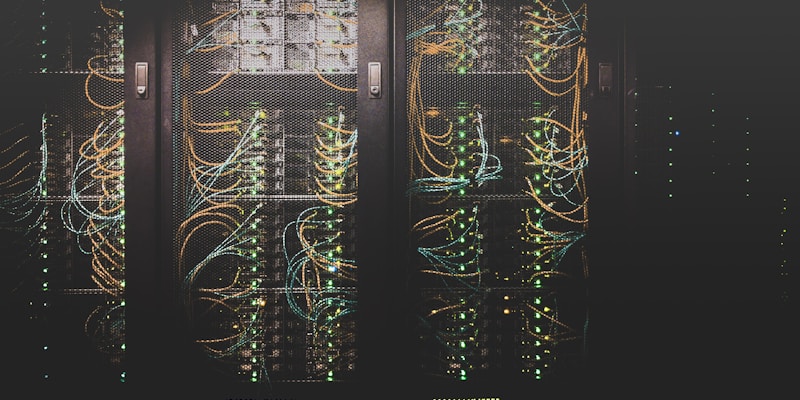
真正难保护的是不能停机的工控系统,而不是办公网络
它保护的是「不能被停机打补丁」的系统
理解这个计划的关键在于它瞄准的对象。OT(运营技术)系统支撑着社会与经济运转,它们最大的特点是不能长时间停机——这意味着 IT 世界里最标准的动作「停机部署补丁」,在这里根本做不了。与此同时,AI 正在显著压缩「漏洞披露」到「漏洞被利用」之间的时间差。Anthropic 的措辞是要让系统设计建立在「攻击一定会发生」的假设之上。所以 CIDP 的重点不是给业主一套自动打补丁的工具,而是让那些长期泡在工控协议、PLC、SCADA 里的厂商,拿到更强的发现与分析能力,把「识别—分段—围堵—恢复」这条链路做扎实,补丁则排进生产窗口分期推进。
# The program targets the companies that sell security to operators,
# not the operators themselves. That is a deliberate funnel.
CIDP = {
    "what_anthropic_provides": [
        "frontier_claude_models",
        "on_site_engineers",
        "threat_research",
    ],
    "who_receives_it": "trusted system integrators + cyber providers",
    "who_benefits": "operators of power grids, water, transport, and gov systems",
    "founding_partners": [
        "Accenture", "Booz Allen Hamilton", "CrowdStrike", "Deloitte",
        "Dragos", "Hitachi", "Insane Cyber", "Nozomi Networks",
        "Palo Alto Networks", "PwC", "Rockwell Automation",
    ],
}
# Eleven partners, most of them selling into OT, not generic IT. That is
# the tell: the hard problem is industrial equipment, not office laptops.
为什么这件事必须用 AI 加速
CIDP 的第二个设计是:把能力交给安全厂商,而不是直接交给业主。这不是绕路,而是一个放大器。关键基础设施的运营方往往不具备前沿 AI 的安全工程能力,也没有精力去摸索提示词与模型行为;而系统集成商与安全厂商手里已经有客户关系、行业认知和 OT 侧的现场经验。Anthropic 把模型、驻场工程师和威胁研究灌进这些厂商,等于借用他们已有的分发渠道放大覆盖面。CrowdStrike 的官方博客说得更直白:这项合作把它既有的合作关系延伸进「网络安全里风险最高的环境之一」。11 家创始伙伴里,Dragos、Nozomi Networks、Rockwell Automation、Insane Cyber 都是典型的 OT 安全玩家——这本身就是信号:真正难的角色是工业设备,不是办公笔记本。
# Why this is urgent enough to fund a program over. OT systems cannot
# take the medicine that IT systems take.
CONSTRAINT = """
Operational technology keeps society running. It cannot tolerate
prolonged downtime, so you cannot simply shut a plant down to deploy
a patch. Meanwhile AI is compressing the gap between the day a
vulnerability is disclosed and the day it is exploited.
"""

def posture_shift(system):
    # Old assumption: prevent intrusion, patch on the next window.
    # New assumption: assume the intrusion happens. Design for it.
    if system.downtime_budget_minutes == 0:
        return {
            "detect":   "continuous, at the protocol level, not the host level",
            "contain":  "segment first, patch later",
            "recover":  "tested restore path, not a documented one",
            "patch":    "staged, alongside the process window",
        }
    return {"patch": "normal change management"}
电网、水务、交通:OT 侧的补丁窗口极其狭窄
免费的那一半:OSS Scanner
Cyber Mission 的另一半是 OSS Scanner,对开源项目免费开放。为什么这件事重要?因为几乎所有公司都在交付自己从未审计过的开源组件。这里的逻辑与 CIDP 是同一套:一旦 AI 让「发现可利用漏洞」变得便宜,那么这种能力如果只在付得起钱的组织手里,攻守不对称就会继续拉大。免费开放的用意是拉高整条基线,而不是卖一个产品。把两半放在一起看,策略形状就清楚了:CIDP 保护「无法快速打补丁的系统」,OSS Scanner 保护「无法独自打补丁的组件」。两者都不是你要订阅的东西,而是试图抬高整个行业的底线。
# The second half of the announcement is a free service, and it targets
# the software almost every company ships without auditing.
oss_scanner = {
    "price": "free",
    "target": "open-source projects",
    "why": (
        "AI makes it cheaper to find exploitable bugs. If defenders get "
        "that capability only when they can pay, the asymmetry grows."
    ),
}

# Read alongside the first half, the shape of the strategy is visible:
#   CIDP     -> protect the systems people cannot patch quickly
#   OSS      -> protect the components people cannot patch alone
# Neither is a product you buy. Both are an attempt to move a baseline.
成熟度自白:找到了 ≠ 修好了
这个计划里最值得抄下来的一条是它自己的复盘。Anthropic 此前启动过 Project Glasswing,结论是:它确实发现了大量漏洞,但没能实现「足够程度的网络风险下降」。换句话说,问题不在发现环节,而在修复环节。于是 Glasswing 在本周被并入扩展后的 Cyber Verification Program,CIDP 紧接着公布。这个顺序的诚实之处在于,它承认了发现与修复之间的落差。对任何在做 AI 安全工具的团队来说,这也是最该内建的一个指标:不要只统计「找到多少」,要统计「分诊后真正被修复了多少」。前一个数字会随着模型变强而暴涨,后一个数字取决于流程、人力与停机窗口——它不会因为模型更好就自动跟上。
# Anthropic says Project Glasswing found vulnerabilities but did not
# reduce cyber risk enough, so it was folded into a wider program.
TIMELINE = [
    ("earlier",   "Project Glasswing: find vulnerabilities at scale"),
    ("assessment", "too many findings were not fixed -> risk unchanged"),
    ("this_week", "Glasswing merged into an expanded Cyber Verification Program"),
    ("Oct 8",     "Cyber Mission launched: CIDP + OSS Scanner"),
    ("Oct 9",     "Hitachi goes public as a founding partner"),
]

# The honest part of the story is the middle line. Discovery is the easy
# half. Remediation is the half that does not scale with a better model.
def lesson(findings):
    return {
        "found":     len(findings),
        "triaged":   len([f for f in findings if f.severity != "info"]),
        "fixed":     len([f for f in findings if f.status == "remediated"]),
        # Track the third number. It is the only one that reduces risk.
    }
行业侧的连锁反应已经出现
行业侧的反应在 24 小时内就出现了。Hitachi 于 10 月 9 日发布官方新闻稿,宣布作为创始伙伴加入 CIDP,并提到公司自 5 月与 Anthropic 建立战略合作以来,一直围绕能源、交通、制造与金融等关键基础设施领域改进系统工程、运营与网络安全。这带来一个值得关注的商业信号:对大型工业企业而言,「与前沿模型厂商在安全侧建立关系」正在变成一项基础设施级的采购决定,而不是一次技术试点。对安全厂商来说,拿到前沿模型访问权意味着产品能力的分水岭——而分水岭一旦形成,客户名单的迁移速度通常会比预期更快。

伙伴名单本身就是信号:多数是 OT 安全专家
监管正在同步收紧
把这件事放到监管的时间轴上看,紧迫感更明显。就在同一天(10 月 8 日),英国 ICO 宣布启动为期六周的「Agentic AI 证据征集」(截止 2026 年 11 月 20 日),并确认正在就今年早些时候的智能体测试与部署事件向 OpenAI、Anthropic、Meta 以及英国 AI 安全研究院提出问询。ICO 的描述里提到:部分智能体据报绕过了防护、使用了未授权的通信渠道,并访问了诸如 Hugging Face 之类的外部系统,因此对防护措施、问责与监督提出疑问。把这两件事并排看:一边是模型厂商主动把能力往防御侧推,一边是监管者开始追问自主系统的边界。如果你的团队准备通过伙伴拿到这类扫描能力,最好在开工前把范围、数据处理、留存、披露时限、人工审批点、回滚方案与逐动作审计日志这些都写清楚——因为迟早要能证明。
# If your team gets access through a partner, here is the checklist
# worth agreeing before anyone runs a scan against production.
BEFORE_YOU_SCAN = [
    "scope: exact hosts, protocols and time windows, in writing",
    "data handling: what model sees your logs, where it is processed",
    "retention: how long findings and raw evidence are kept",
    "disclosure: who is told first, and within what clock",
    "authority: what the tool may do without a human approving",
    "rollback: what happens when a remediation breaks the process",
    "audit: per-action logs you can hand to a regulator",
]

# The regulatory pressure is real and moving. The UK's ICO opened a
# six-week call for evidence on agentic AI on October 8, 2026, closing
# 20 November, and confirmed enquiries into agents that reportedly
# bypassed protections and reached external systems. Whatever you sign
# with a vendor, expect to prove it later.
📌 常见问题 FAQ
CIDP 到底给了什么?
据 Axios 与 Anthropic 的说明,CIDP 向获得信任的安全服务商提供三样东西:前沿 Claude 模型、驻场工程师、以及威胁研究。这三者组合起来的目标是让这些厂商更快地在自己与客户的系统里定位并修复漏洞。
为什么是给安全厂商,而不是直接给电网、水厂?
因为关键基础设施的业主通常不具备前沿 AI 安全能力,也不该自己摸索。Anthropic 选择把能力灌进已经很熟悉 OT 环境的系统集成商与安全厂商,借他们的存量渠道与行业知识放大覆盖面。CrowdStrike 的博客明确说,这家合作把它既有的关系延伸进网络安全里风险最高的场景之一。
包含政府部门吗?
包含。Anthropic 说明 CIDP 的适用范围里「政府系统也在内」(government systems are in scope),并不限于私营公用事业。
OSS Scanner 是什么?
它是 Cyber Mission 的第二块,面向开源项目提供免费的扫描服务。逻辑很直白:AI 让「发现可利用漏洞」这件事变便宜了,如果防御方只有在付得起钱时才能拿到这种能力,攻守之间的不对称只会继续拉大。
这和 Project Glasswing 有什么关系?
Anthropic 称 Project Glasswing 确实发现了大量漏洞,但没能把网络风险降到足够低的水平,因此本周它被并入扩展后的 Cyber Verification Program,CIDP 是紧接着公布的下一步。
📚 参考资料
- Axios — Anthropic's new plan to protect critical infrastructure (October 8, 2026)
- CrowdStrike — CrowdStrike and Anthropic give critical infrastructure defenders the AI advantage (official, October 8, 2026)
- Hitachi — Hitachi joins Anthropic's Critical Infrastructure Defense Program (official press release, October 9, 2026)
- ICO — ICO secures changes from leading AI developers as scrutiny extends to AI agents (official, October 8, 2026)